

A fair and equitable low carbon future depends on a just transition which, in turn, requires leadership. Where the Arctic is concerned, this leadership is currently lacking. To gauge which states are most likely to provide leadership in the global energy transition, a quantitative rank-percentile assessment of 21 Arctic Council members and Observer states was conducted, using measures relevant to the just transition.
Policy Literacy
31 articles
Sort by
Digital platforms and the online services that they provide have become an indispensable and ubiquitous part of modern lifestyles, mediating our jobs, hobbies, patterns of consumption and forms of communication. However, no one is steering this development, or closely looking at the impacts that it may have on remote communities in the Arctic and Nordic region, a hotspot for datacenter development.
Both policymakers and the technology industry need to do more to combat the ever-growing demand for data and its associated energy impacts. In this study, based on novel corporate data, expert interviews, focus groups with members of the public, extensive site visits across Greenland, Iceland and Norway and a literature review, we look at the energy and climate impacts of existing and proposed datacenters, both quantitatively and in terms of stakeholder and public perceptions.
The latest IPCC report on Ocean and Cryosphere in a Changing Climate, which builds upon previous IPCC’s reports, established a causal link between anthropogenic impacts and ocean acidification, by noting a significant decrease in the Ocean’s uptake of CO2, with consequent damage to Earth’s ecosystems, which in turn has traceable repercussions on the Arctic Ocean and then from the Arctic to the Planet Earth.
In July 2020, the European External Action Service of the European Commission launched a public consultation on the way forward for the European Union’s Arctic policy. The consultation was held to re-examine the role of the EU in Arctic affairs, to revise the priorities of the current Joint Communication on an integrated European Union policy for the Arctic and the actions thereunder, and to identify possible new policy areas to be developed.
The drastic growth of cruise tourism in the world, while potentially beneficial for economic growth in local communities, also brings concerns regarding environmental impacts. This research used the port of Ísafjörður, Iceland, a growing hotspot destination for cruise ships, as a case study to aid in understanding the potential environmental impacts from cruise ships.
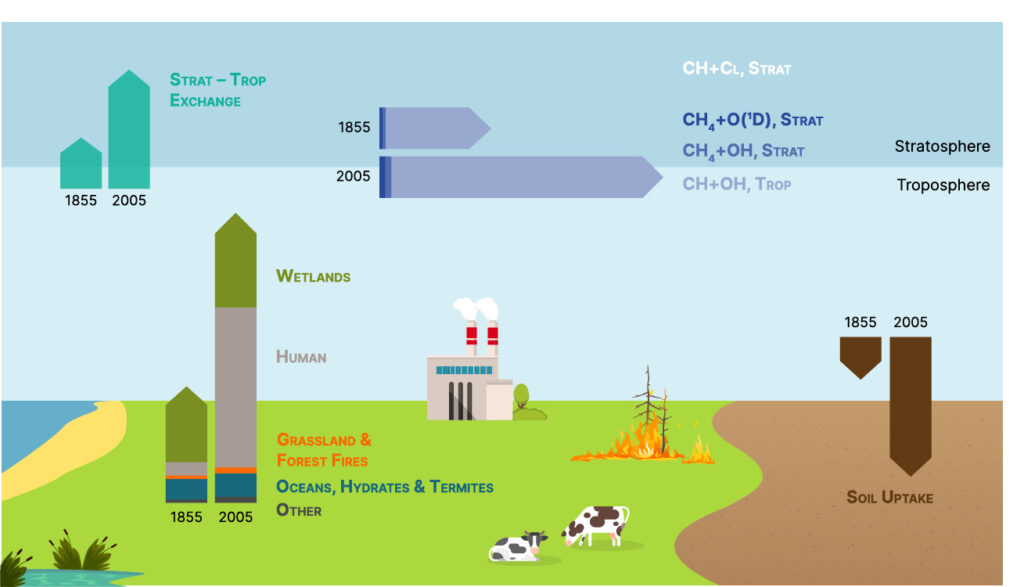
The first fully-coupled methane emission driven Earth system model capable of simulating the impact of anthropgenic forcing on natural environments, as well as the impact of methane emissions and mitigation strategies on air quality.
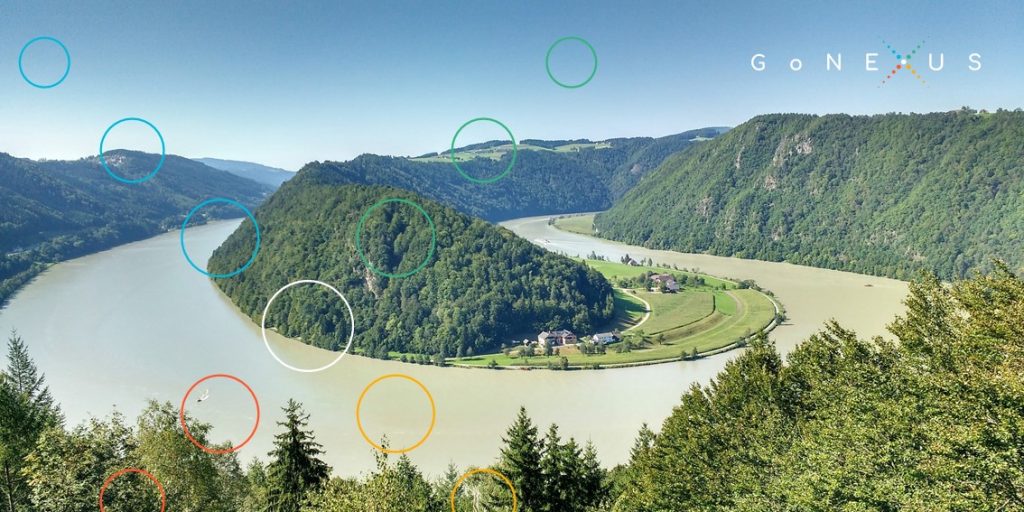
In a time of increasing demand for the earth’s limited resources, the GoNEXUS project develops solutions for more efficient and sustainable resource management. It does so through a holistic approach to how the resources interplay rather than by examining each one of them individually.
Using Organigraphs to Map Disaster Risk Management Governance in the Field of Cultural Heritage.
Louis J. Durrant, Atish N. Vadher, Mirza Sarač, Duygu Başoğlu and Jacques Teller
The latest ZERO IN report from the CONSTRAIN project dives into the science set out in the recent Intergovernmental Panel on Climate Change assessments. It investigates what our climate future could look like by 2050, depending on whether we take action in line with the Paris Agreement, or decide to follow current national policies and plans which still largely lack the action and ambition needed to stop global warming.