

In the PATHWAYS project, empirical transition pathways have been compared to ideal-type transition pathways. All analyses use the multi-level perspective (MLP) to explain similarities and differences between the different countries. One of the domains considered is land-based passenger mobility, with empirical transition pathways from the United Kingdom and the Netherlands.
Climate action
113 articles
Sort by

Research often focuses on creating and modelling hypothetical scenarios. However, public knowledge and opinions are crucial for the successful uptake of research findings. In this article, we explore how quantitative tools are used for producing scenarios, whereas qualitative tools are used to identify stakeholder preferences.

There are many case studies on local and regional transitions. Until now, an overview of such case studies was missing. The EU-funded PATHWAYS project has created a database that allows for sharing information from previously done European case studies, in order to foster the reuse of the knowledge gained in previous studies.

In the framework of the POLIMP project, a policy brief has been published on the role of social acceptance in the acceleration of clean technology deployment within the EU.
It is important to have a clear understanding of the relevant systems when designing pathways towards low emissions. An innovative tool has been designed specifically for the purposes of system mapping: Mapping Tool for Innovation Systems Evaluation (MATISE).
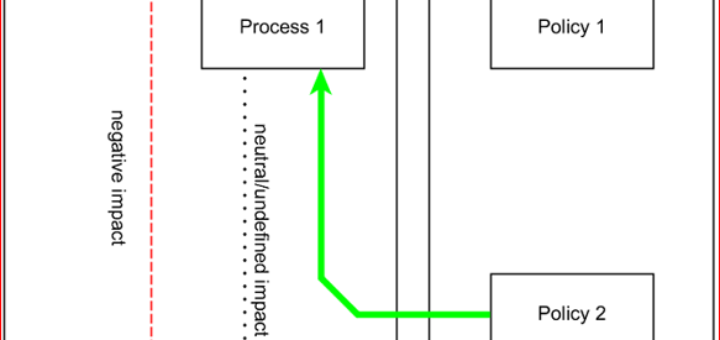
Interactions between EU climate and energy policies have been analysed based on France, Austria, Greece, and EU-level for policy interaction examples. The analysis resulted in 6 main findings.
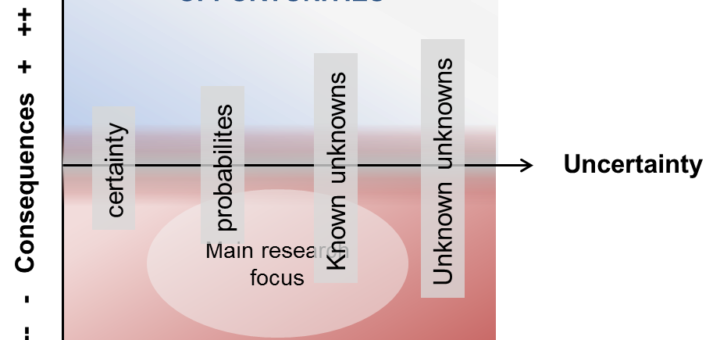
Choices regarding mitigating climate change are associated with a range of risks and uncertainties. By investigating these choices, a broad conceptual framework accounting for exogenous risks, as risks to the implementation of a policy choice, and consequential risks, as risks resulting from an implemented policy, in the areas of political, regulatory, social, economic, and environmental risks was developed.
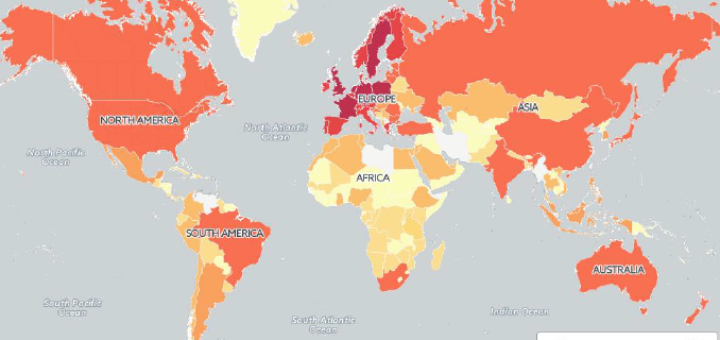
It is unclear whether the large variety on data sources and information on policies mitigating climate change matches the expectations and needs of stakeholders. It is concluded that the data and information available suffers from numerous shortcomings.
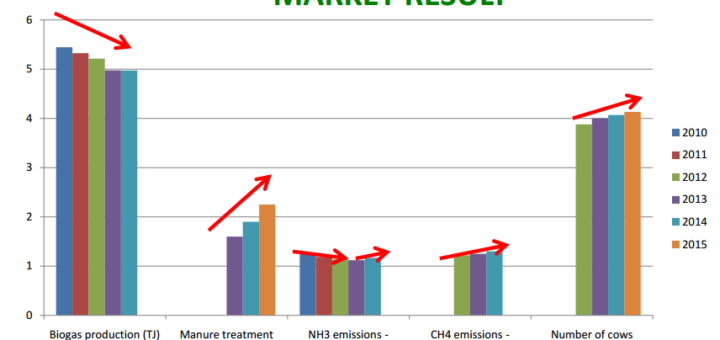
Integrated Manure Management (IMM) is a transition pathway in the livestock sector used as a case study in this report. It is an alternative to reducing livestock (RL) numbers and both can be scored in terms of their contribution to meeting environmental targets. With a better understanding of the side-effects of alternative pathways, it will be easier to develop a more robust and integrated policy framework for low-carbon transitions in the livestock sector.

Austria will add additional financial means to the existing policy framework to reach their target value for primary energy consumption of 1050 PetaJoule in 2020 (compared to 1120 PJ in 2013). The case study has analysed whether energy efficiency improvement policies lead to overlaps with policies at the level of provincial governments and what this could mean for the effectiveness and efficiency of the policies.