

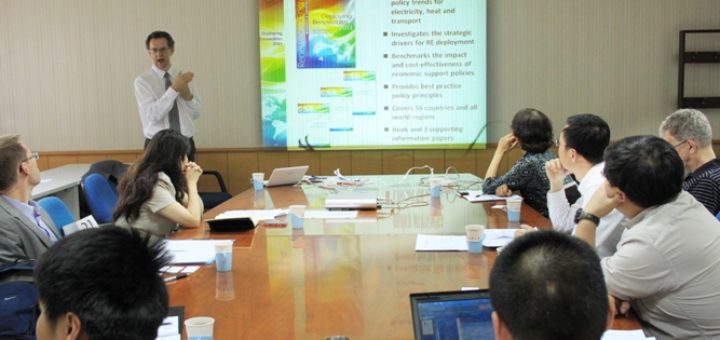
Innovation in mitigation technologies is seen as a critical contributor to achieving the ambitious GHG reduction goals of countries outlined in the Paris Agreement. The CARISMA project has analysed collaboration initiatives from governments, industries, and regions, each with different characteristics, to identify criteria for effective collaborations between the EU and emerging countries. The main finding of the analysis is that there is no unique pattern that could correspond to every good practice of collaborations.
Global
58 articles
Sort by
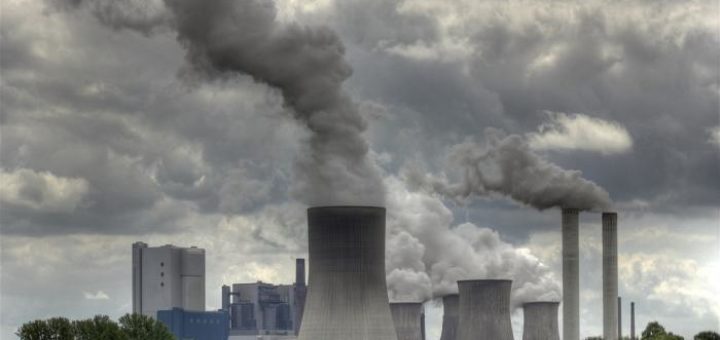
GHG emissions need to be reduced practically to zero by 2050. However, there are currently numerous coal-fired power stations around the world at different stages of construction, and if built and become active, their expected future emissions will make it difficult to reach the targets in the Paris Agreement. Carbon Capture and Storage could reduce future emissions, but its future availability is still highly uncertain.

The poorest people still struggle to have access to sanitation and clean energy. However, as incomes rise in developing countries, access to electricity, clean cooking energy, water, and sanitation, also improves but not as quickly as income growth. The United Nations Sustainable Development Goals (SDGs) aim to achieve universal access to clean energy, water, and sanitation by 2030. This study highlights the challenges of achieving SDGs, but also points to policy directions that could help.

Research often focuses on creating and modelling hypothetical scenarios. However, public knowledge and opinions are crucial for the successful uptake of research findings. In this article, we explore how quantitative tools are used for producing scenarios, whereas qualitative tools are used to identify stakeholder preferences.
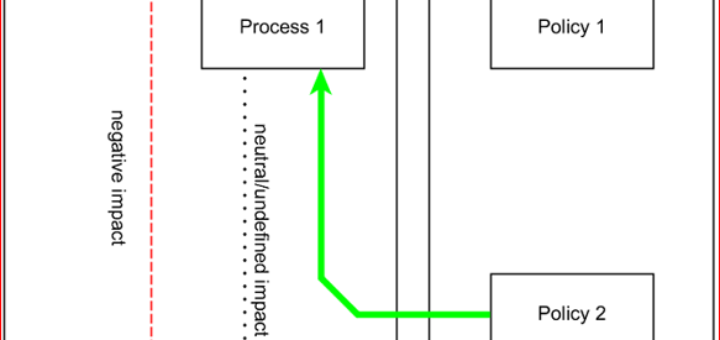
It is important to have a clear understanding of the relevant systems when designing pathways towards low emissions. An innovative tool has been designed specifically for the purposes of system mapping: Mapping Tool for Innovation Systems Evaluation (MATISE).
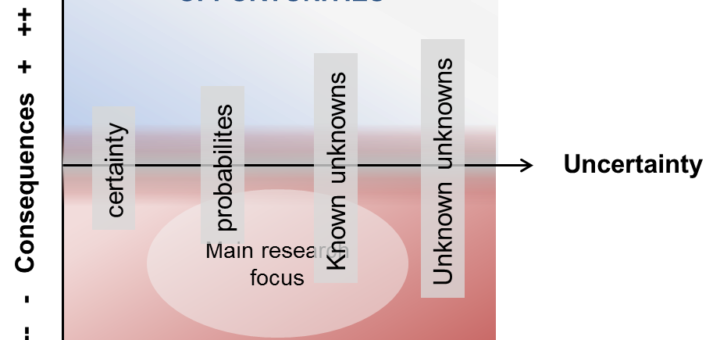
Choices regarding mitigating climate change are associated with a range of risks and uncertainties. By investigating these choices, a broad conceptual framework accounting for exogenous risks, as risks to the implementation of a policy choice, and consequential risks, as risks resulting from an implemented policy, in the areas of political, regulatory, social, economic, and environmental risks was developed.
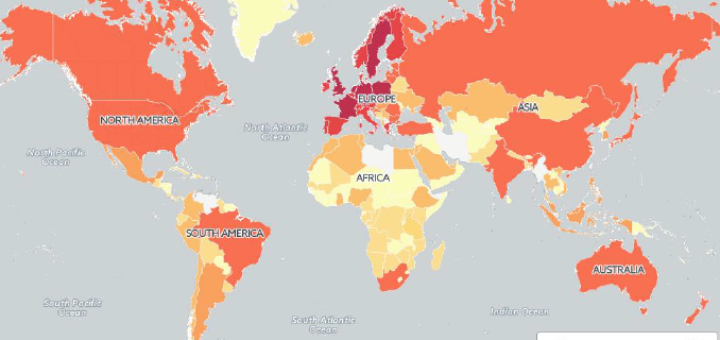
It is unclear whether the large variety on data sources and information on policies mitigating climate change matches the expectations and needs of stakeholders. It is concluded that the data and information available suffers from numerous shortcomings.

Policymakers and stakeholders need a manageable tool to reduce the complexity of different design options. The EU-funded POLIMP project has provided a practical criteria matrix to assist policy makers and relevant decision-makers in evaluating and comparing different proposals for the 2015 Agreement. Several important results of the analysis of Parties’ submissions are given.